


ROI of social impact
Look at any of the South African reports, and you find a section highlighting the organisation’s corporate social investment. It is fair to say that they are no slouches with investments estimated at over R13 billion in 2025.
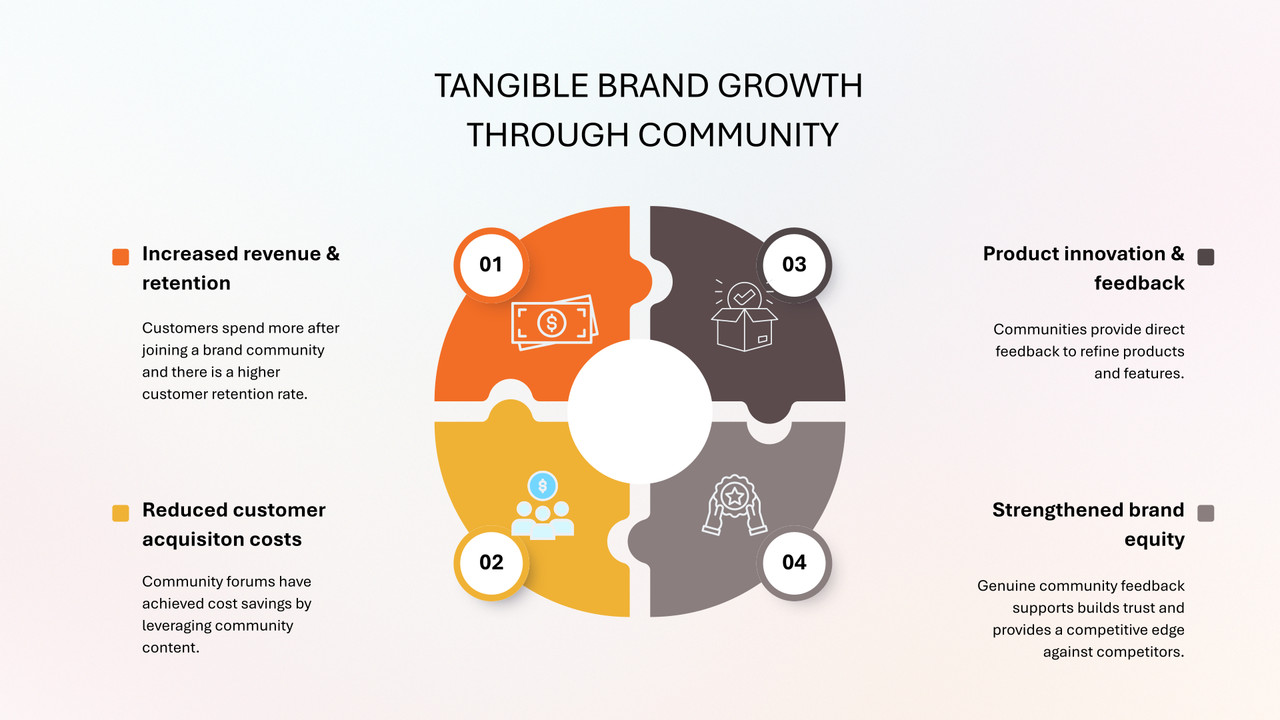
So, it is important that the community investments deliver on the so-called benefits: increased revenue and retention, reduced customer acquisition costs, product innovation and feedback, including strengthened brand equity.
Forbes published an editorial earlier this year that included insights from its exclusive, invitation-only business council. They listed 17 ways to assess the ROI of social impact, brand trust and influence.
- 1. Track behavioural shifts: Behavioural changes are a great way to assess ROI in terms of brand trust and cultural influence.
- 2. Watch how people move: When your company begins to influence how they talk and act, it shows a positive influence.
- 3. Measure adoption velocity: the rate at which people, such as staff, move from resisting change to owning it.
- 4. Monitor repeat business: This is self-explanatory.
- 5. Link soft metrics to hard results: Brand trust is not only about the number of renewals and referrals, but also about the ease of doing business with this brand. How quickly do customers forgive mistakes?
- 6. Observe engagement signals: Think packed stadiums and loyal fans.
- 7. Track employee and customer retention: Turnover costs companies millions. So how is yours?
- 8. Analyse loyalty shifts: One company measures ROI primarily through retention rather than immediate revenue.
- 9. Track brand presence at decision points: How does your brand show up at the point of decision? Do people ask about it, compare it or recommend it?
- 10. Assess ownership and accountability: Do people treat the business as their own?
- 11. Measure goodwill-driven actions: How often do employees, customers or partners choose discretionary actions that help the organisation?
- 12. Track relational trust signals: Are customers treating you like they trust you? Is it demonstrated in their behaviour?
- 13. Measure cross-product adoption: When customers add a second or third service, they are voting (and trusting you) with their wallet.
- 14. Keep an eye on social media engagement: User comments and engagement rates on social media platforms help you check the pulse of your business.
- 15. Look for real-world recognition: When people recall what your organisation has said and done, then you know you have influence.
- 16. Track unprompted conversion moments: Unprompted conversation moments are where credibility creates outcomes without effort.
- 17. Analyse long-term brand performance: Look at the brand’s historical performance over time. Look at customer loyalty, repeat engagement, word-of-mouth growth and long-term revenue. They reveal intangible factors like trust and reputation.